The Emotional Arc: How Film Festival Curators Build Unforgettable Shorts Blocks
Beyond the Running Time
A short film can end in ten minutes, but its cinematic life does not necessarily end with the final image. In a festival setting, a short becomes part of a larger encounter, shaped by what precedes it, what follows it, and the audience”s changing emotional temperature. A stark documentary may make an animated comedy feel more liberating; a formally daring experimental work may sharpen the human detail of a conventional narrative. The block is not merely a container for films. It is a designed experience in which separate voices begin to speak across the edit.
The idea that a shorts program is an arbitrary ninety-minute collection of available titles misunderstands the labor involved. The short film format has always been remarkably versatile, accommodating animation, documentary, fiction, essay film, music video, and work that resists categorization, as the history of the short film format makes clear. A curator therefore acts as an invisible director, shaping audience stamina, attention, surprise, and empathy without appearing on screen. The most effective programming guides viewers through a journey that feels discovered rather than imposed.
Curating versus Compiling
The distinction between compiling and curating is central to understanding festival programming. Writing for On-Curating, Lars Henrik Gass argues that compiling a group of films is not, by itself, an artistic strategy. Instead, the arrangement reveals an underlying strategy through the speculative relationships created between works. A compiler remains behind the films and accepts responsibility for the collective result, while a curator may foreground personal authorship and make the act of selection more visible.
In practice, festival programming occupies an intriguing space between those positions. A selection committee must respond to individual films on their own terms, while also asking what happens when those films share a room. The responsibility is collective, but the audience experiences the result as one event. Strong programmers resist the temptation to make every film agree. They allow contrast, friction, and unresolved questions to remain active after the screening.
- Individual integrity: each filmmaker”s intentions and formal choices must remain legible.
- Programmatic dialogue: neighboring films should create meaningful echoes, contrasts, or provocations.
- Audience care: emotional intensity, duration, accessibility, and attention span must be considered together.
- Cultural breadth: the lineup should avoid reproducing the same names, assumptions, and aesthetic conventions.
Gass also warns against programming that simply repeats established canons or familiar festival prestige. A submission pool can expose selectors to unfamiliar positions and force a productive loss of control. That openness matters particularly in short film, where emerging filmmakers often work outside dominant production systems. Curatorial authorship is therefore not only about taste. It is also about creating conditions in which new forms, communities, and perspectives can challenge the audience”s expectations.
The Anatomy of an Unforgettable Block
A memorable block usually has an internal rhythm, even when that rhythm is not immediately visible. The opening film establishes the audience”s contract with the program. It might offer a striking image, a sharp comic premise, or a confident formal gesture. The goal is not necessarily to begin with the most important film, but to create trust. Viewers need to understand that the program has intention and that the next shift will be worth following.
Midway through the block, the curator can begin to alter the emotional and visual temperature. A quiet observational documentary might be followed by a film with nervous handheld movement, while a heavy narrative may need a comic or formally playful work beside it. The contrast is not decoration. It protects attention and enables the audience to encounter difficult material without becoming emotionally numb.
- The opener: establish sensory interest, tonal confidence, and a clear invitation into the program.
- The mid-block shift: change pace, texture, genre, or emotional weight before attention begins to flatten.
- The anchor: place a profound or formally commanding work where the audience is prepared to receive it.
- The palette cleanser: offer breath, humor, beauty, or simplicity after concentrated intensity.
- The resonance: close with an image, question, or emotional afterimage that continues beyond the auditorium.
The anchor is often the film audiences remember most clearly, but its impact depends on placement. A devastating documentary shown too early may dominate everything that follows. Positioned later, it can gather meaning from the films around it. Conversely, a gentle closing film may allow viewers to leave with curiosity rather than exhaustion. The success of the arrangement lies in proportion, not in a mechanical escalation toward seriousness.
Short cinema has a particularly demanding economy because every scene, gesture, and transition carries unusual weight. A brief work may compress a feature”s worth of emotional movement into a handful of images. This is why short film pacing makes sequencing so exacting. The block itself must respect that compression, giving each title enough space to register while preventing the overall program from feeling overdetermined.
Designing Tension and Relief Across Formats
One of the pleasures of a shorts block is the collision of forms. Animation can make an abstract political idea physically vivid; a gritty docu-fiction can place viewers inside the uncertainty of lived experience; an experimental narrative can disrupt familiar assumptions about character and time. These forms do not need to resemble one another to belong together. Their relationship may be thematic, emotional, visual, or entirely intuitive.
Consider a program that places a formally controlled animation beside a documentary built from archival footage and testimony. The animation may create distance through stylization, while the documentary insists on historical specificity. The shift can initially feel abrupt, yet that very disruption may illuminate how different cinematic languages approach memory, displacement, or fear. Ted Efremoff”s work on A Refugee”s Guide to Rome, for example, combines personal narration, archival images, and material concerning war and migration while preserving the dignity of the central subject. A neighboring film might approach related questions through abstraction, allowing the audience to compare not only stories but also ethical methods of representation.
| Sequencing approach | What it emphasizes | Potential effect |
|---|---|---|
| Thematic progression | A shared subject such as migration, family, labor, or place | Builds intellectual continuity and invites comparison |
| Formal contrast | Differences in genre, image texture, sound, or editing | Refreshes attention and reveals the expressive range of short cinema |
| Emotional matching | Films connected by mood, vulnerability, humor, or tension | Creates an intuitive flow that may feel organic rather than explanatory |
| Strategic disruption | An intentional break in tone or expectation | Jolts viewers into renewed attention and complicates easy interpretation |
Intuition remains important, but it should not be confused with randomness. A programmer may sense that two films belong together because of a shared silence, a recurring color, or a similar attitude toward performance. At other times, the logic is more deliberate, built around historical context or a question the program wants to leave open. Jinho Myung”s independent filmmaking offers a useful parallel: the work can feel intuitive while remaining carefully structured, balancing conversational naturalism with formally unexpected moments. The same balance can define a successful block, where spontaneity is supported by rigorous attention.
The Festival Room as a Living Organism
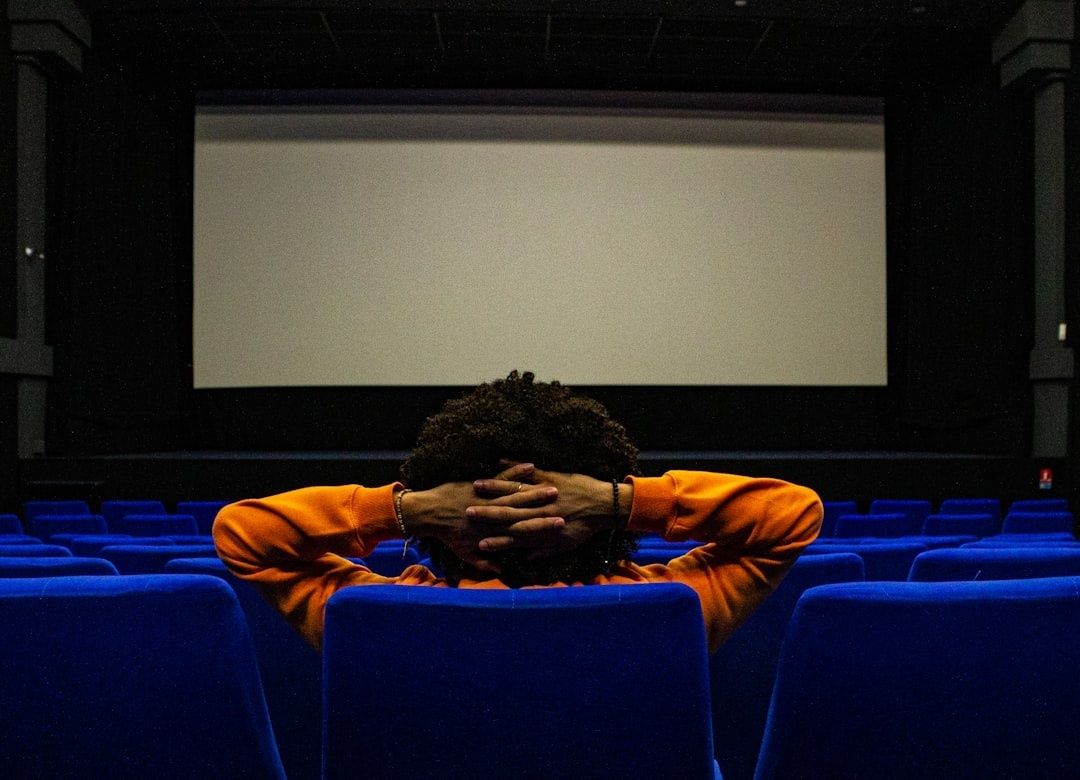
No program exists fully on paper. It changes in the room, under the conditions of a particular screening. Curators learn to read collective breath, delayed laughter, restless movement, and the silence that follows an image too powerful for immediate applause. These responses are not simple ratings. They are evidence of attention, discomfort, recognition, and sometimes disagreement. A room that becomes very still may be deeply engaged, even when its reaction is invisible.
Venue also alters perception. A historic theater can lend ceremony and scale, while a museum screen may place short films within a broader cultural conversation. Community events create a different atmosphere again, especially when screenings take place alongside food, conversation, workshops, or outdoor gatherings. The Anchorage International Film Festival illustrates this variety through programming across venues including Bear Tooth Theatrepub, the Anchorage Museum, Alaska Experience Theater, and E Street Theater. Its schedule has included international, Alaska-focused, Native, Arctic, family, documentary, animation, and experimental programs, demonstrating how place and programming can continually reshape one another.
- Before the screening: the room”s architecture, seating, sound, and arrival pattern establish the first layer of expectation.
- During the block: laughter, silence, and visible concentration reveal how the sequence is functioning in real time.
- After the final film: the transition to discussion determines whether reflection feels invited or interrupted.
- During a Q&A: filmmaker presence can add context, but the conversation should preserve room for audience interpretation.
Filmmaker attendance introduces another delicate transition. A director may want to explain a difficult production choice, while viewers may still be processing an image or an ending that depends on ambiguity. Skilled moderators allow context to deepen the work without closing down its possibilities. When a filmmaker is not present, the program can still create a communal encounter through introductions, printed notes, and attentive pacing. The central task remains the same: protect the audience”s relationship with the films.
Step Into the Dark with New Eyes
The next time a festival shorts block feels unusually satisfying, notice the invisible craft behind that feeling. Ask how the opening film established trust, where the program changed direction, and which title became the emotional center. Pay attention to the interval between laughter and silence, to the way one visual texture prepares the eye for another, and to the final image that remains in memory after the lights return.
Independent cinema gains much of its power through this collective act of arrangement. Each filmmaker brings a singular world, but programming allows those worlds to meet without surrendering their differences. In a well-shaped block, discovery becomes a form of conversation, and the audience becomes part of the structure. The screen may go dark after the final credit, yet the emotional arc continues, carried into the lobby, the next discussion, and the journeys home through the northern night.